Mold Damage Repair in Salt Lake City, UT
The downstairs of your Cottonwood Heights house has been plastic and bare studs for two weeks. The wet drywall is gone, the pad is gone, the dehumidifier finally stopped pulling water, and the landscaper put a drain in the window well that started it. Now you need the room back. This site connects you by phone with an independent local provider who does mold damage repair in Salt Lake City and across Salt Lake County.
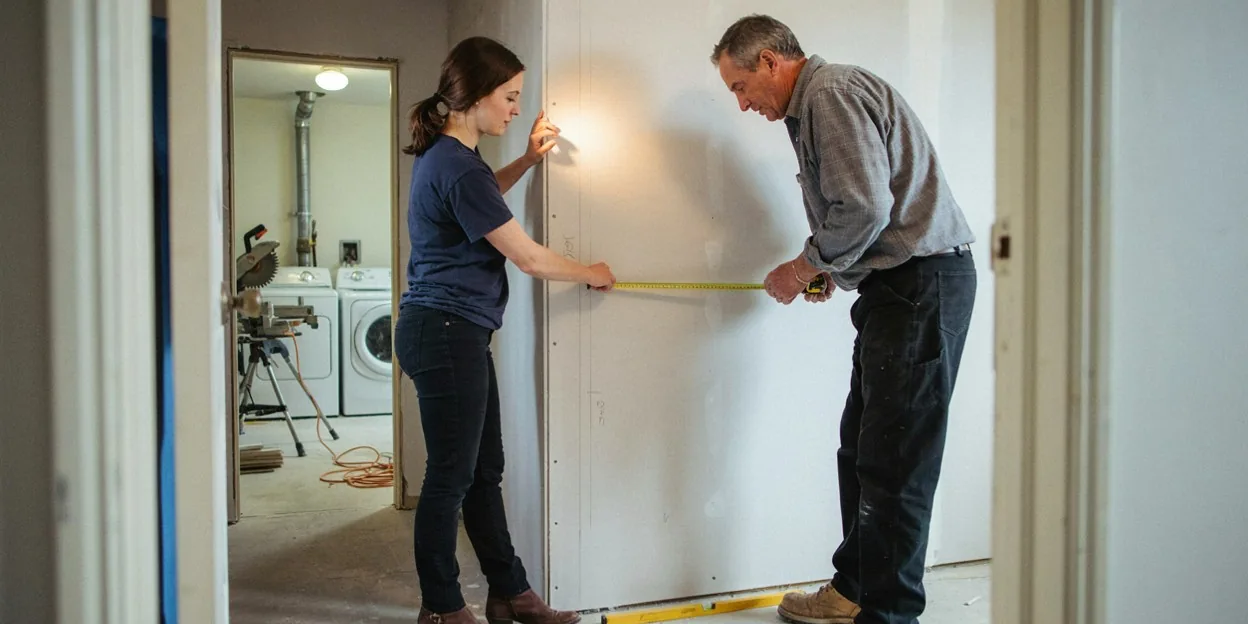
Checking the wall is dry and the water is stopped before the first sheet goes up
Rebuild begins with the same meter the removal ended with. The crew reads the studs, the bottom plate, and the slab one more time and compares the numbers to the drying log. If anything has crept back up, the wall stays open and the question goes back to the source: the window well, the downspout, the crack, or the pipe. New drywall over a wall that still weeps in spring is the most expensive way to grow mold twice.
They also look at what the removal crew wrote about the boundary. In most Salt Lake jobs the same provider does both halves, but when two companies are involved, the rebuild crew wants the removal scope, the moisture readings, and photos of the open wall before they close it.
Fix the way the water got in before you call about the rebuild
If the water came through a window well, have a drain or a cover installed. If it was a downspout, extend it six feet from the foundation. If it was grade sloping toward the house, have it regraded. If it was a cracked foundation or a plumbing joint that opened after the 2020 earthquake, have the crack sealed or the joint repaired by the right trade first. The rebuild crew will ask what was done, and the answer decides whether they start.
Keep the containment plastic up and the dehumidifier running until the rebuild starts. Photograph the open framing from each corner for your records and for your adjuster if a claim is open.
What goes back, and what goes back differently
Drywall, insulation, baseboard, and paint go back to match the rest of the room. In a Salt Lake basement the crew often changes a few things while the wall is open: a gap between the bottom of the new drywall and the slab, a vapor retarder behind furring on a block wall, closed-cell foam instead of fiberglass against the foundation, and a carpet pad with a moisture barrier or a floating floor where the old pad sat on bare concrete. Cabinet bottoms and vanity floors are rebuilt in plywood rather than particleboard.
If the open wall shows growth the removal missed, the rebuild stops and the area goes back under mold removal. A bathroom being put back after a tile wall came out is finished under the plan from bathroom mold removal. A smell that returns once the room is closed is mold odor removal, and the crew would rather hear about it before the carpet is laid.
Permits, cities, and the Utah contractor license
Rebuilding drywall, plumbing, or electrical in a basement usually needs a permit, pulled by the provider: from Salt Lake City Building Services inside the city, and from the building desk in Millcreek, Murray, Sandy, West Valley City, Draper, or whichever of the valley's cities the house sits in. Egress windows in basement bedrooms come up often during a rebuild here, because many 1950s to 1970s basements were finished without one and the inspector will ask.
Utah has no mold license, but the rebuild is plain construction and runs under a Utah Division of Professional Licensing contractor license, which you can look up before signing. Most Utah policies that pay for a sudden loss pay for the rebuild of what the removal took out; groundwater losses usually fall to the homeowner, so get a written scope either way.
When you call about putting a Salt Lake basement back together
Have the address, what was removed and when, whether the slab and framing have been read dry, and what was done about the water source. Say whether a claim is open and whether the same company did the removal. Call (801) 457-5486.